
- Poor posture, such as slouching or hunching, is a common cause of upper back and chest pain.
- Regular stretches and strengthening exercises, like chest openers and wall angels, can relieve tension and improve posture.
- Ergonomic adjustments to your workstation, including proper monitor height and chair support, help prevent pain.
- Lifestyle habits such as mindful posture, supportive sleep, and staying active contribute to long-term relief.
- Non-surgical back pain treatment, including physical therapy, can provide effective solutions when home remedies are insufficient.
- Consistency in posture awareness, stretching, and strengthening routines is key to preventing recurring pain.
Upper back and chest pain can significantly affect daily life, making simple activities like sitting at a desk, lifting objects, or even sleeping uncomfortable. Often, these types of pain are linked to poor posture, a common problem in today’s modern lifestyle. Prolonged sitting, slouching, and improper workstation setups can strain the muscles and ligaments in your upper back and chest, leading to discomfort and stiffness.
The good news is that with targeted strategies and consistent care, most people can relieve pain without invasive treatments. This guide explores practical ways to reduce discomfort caused by poor posture and improve overall spinal health.
Understanding Poor Posture and Its Effects on Upper Back and Chest Pain
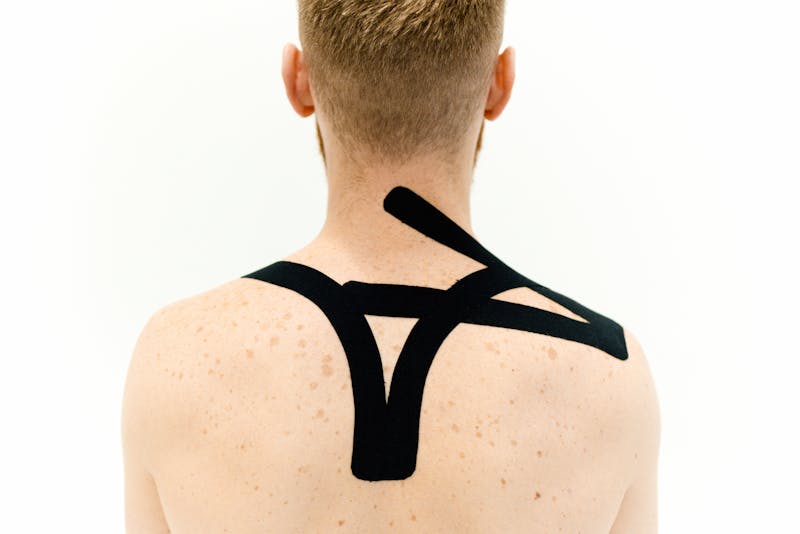
Poor posture occurs when your body is misaligned during sitting, standing, or walking. Over time, slumping forward or hunching can put excessive stress on the thoracic spine and surrounding muscles. This tension often manifests as pain in the upper back, between the shoulder blades, and across the chest.
Muscles that are chronically overstretched or tightened from poor posture may lead to limited mobility and increased fatigue. If left uncorrected, these habits can result in chronic discomfort and may even contribute to more serious conditions like spinal misalignment or nerve compression. Understanding the link between posture and pain is the first step toward relief.
How to Relieve Upper Back and Chest Pain: Effective Exercises and Stretches
Engaging in specific exercises and stretches can help release tension in the upper back and chest. Regular movement strengthens muscles that support proper posture and improves flexibility.
Recommended Stretches:
- Chest Opener Stretch: Stand in a doorway, place your hands on the frame, and gently lean forward to open the chest. Hold for 20–30 seconds.
- Thoracic Extension: Sit upright and place your hands behind your head. Lean back slightly to extend the upper spine and release tightness.
- Shoulder Blade Squeeze: Sit or stand tall, pull your shoulder blades together, hold for 5 seconds, and release. Repeat 10 times.
Strengthening Exercises:
- Rows with Resistance Band: Strengthens upper back muscles that counteract slouching.
- Wall Angels: Stand against a wall and move your arms up and down like making a snow angel. Helps improve shoulder mobility and posture.
Consistent practice of these exercises can reduce upper back and chest pain while also preventing recurrence.
Adjusting Your Workstation to Prevent Pain
Many people spend hours at a desk or in front of a computer, which can exacerbate poor posture and upper back pain. Small adjustments to your workspace can make a significant difference.
- Monitor Height: Keep your screen at eye level to prevent leaning forward.
- Chair Support: Use a chair with lumbar support and sit with both feet flat on the floor.
- Keyboard and Mouse Placement: Keep them close to your body to avoid overreaching.
Frequent breaks are essential. Stand up, stretch, and walk for a few minutes every hour to reduce strain on your muscles and improve circulation.
Lifestyle Habits That Help Relieve Upper Back and Chest Pain
Beyond exercises and workstation adjustments, lifestyle changes can play a key role in pain relief. Small daily habits help maintain proper posture and reduce muscle tension.
- Practice Mindful Posture: Be aware of your body alignment throughout the day. Check in periodically to correct slouching or rounded shoulders.
- Sleep Support: Use a supportive mattress and pillow that promote spinal alignment.
- Stay Active: Incorporate low-impact activities like walking, swimming, or yoga to strengthen postural muscles and improve flexibility.
Maintaining these habits consistently can prevent upper back and chest pain from returning.
When to Seek Professional Help

While many people can relieve upper back and chest pain caused by poor posture at home, some situations require professional care. If your pain persists, worsens, or is accompanied by numbness, tingling, or difficulty breathing, consult a healthcare provider immediately.
Non surgical back pain treatment options, such as physical therapy, chiropractic care, or targeted rehabilitation exercises, can provide lasting relief. Professionals can also identify underlying issues that may contribute to pain, ensuring a safe and effective recovery.
Tips for Long-Term Posture Improvement
Long-term relief from upper back and chest pain requires ongoing effort. Here are key strategies to maintain proper posture and prevent future pain:
- Set Reminders: Use phone or computer alerts to check your posture throughout the day.
- Strengthen Core Muscles: A strong core supports the spine and encourages upright posture.
- Stay Hydrated: Proper hydration supports muscle and joint health.
- Incorporate Stretching Breaks: Regularly stretch your chest, shoulders, and upper back to maintain flexibility.
By adopting these habits, you can significantly reduce the frequency and intensity of posture-related pain.
Conclusion
Upper back and chest pain caused by poor posture is a common but manageable issue. Combining proper exercises, stretching routines, ergonomic adjustments, and healthy lifestyle habits can provide significant relief. Paying attention to posture throughout the day and incorporating small, consistent changes will not only reduce pain but also improve overall spinal health and quality of life. Remember, if pain persists, professional guidance through non-surgical back pain treatment can help address underlying issues and support long-term recovery.