
- Right side body pain can originate from muscles, nerves, or internal organs, each requiring different approaches for relief.
- Muscle-related pain is often caused by strain, poor posture, or overuse and usually improves with rest, stretching, and physical therapy.
- Organ-related pain (liver, gallbladder, appendix, kidneys) may present with additional symptoms like nausea, fever, or digestive issues and should be evaluated promptly.
- Nerve-related pain can feel sharp, burning, or tingling and may radiate along specific pathways; professional diagnosis is often necessary.
- Paying attention to pain patterns and associated symptoms helps determine severity and whether medical care is needed.
- Effective treatment combines medical intervention, lifestyle adjustments, and preventive strategies to reduce recurrence.
- Early recognition and healthy habits—including proper posture, regular stretching, and stress management—can prevent many cases of right side body pain.
Right side body pain can feel confusing and even alarming, especially when it appears suddenly or lingers without a clear cause. Because the right side of the body contains important muscles, nerves, and vital organs, pain in this area can range from mild muscle strain to signs of underlying medical conditions. Understanding where the pain is coming from is the first step toward effective relief and proper care.
This in-depth guide explains right side body pain from a practical, educational perspective. It breaks down how muscles, organs, and nerves contribute to discomfort, what symptoms commonly appear, and how to tell when pain is harmless versus when it needs medical attention. You will also learn about treatment options, recovery tips, and everyday habits that can help reduce pain and prevent recurrence.
What Is Right Side Body Pain?
Right side body pain refers to discomfort, soreness, or sharp sensations that occur anywhere along the right half of the body, from the head and shoulder down to the hip, abdomen, and leg. The pain may be localized to one spot or spread across multiple areas, depending on the cause and affected structures.
This type of pain can be temporary, such as after physical exertion, or persistent, lasting for weeks or months. In many cases, right side body pain is linked to muscle strain, poor posture, or overuse injuries. However, because several internal organs are located on the right side, pain can also signal digestive, gallbladder, liver, or kidney-related concerns. Understanding the nature, location, and pattern of the pain helps narrow down possible explanations.
Why Does Pain Occur on the Right Side of the Body?
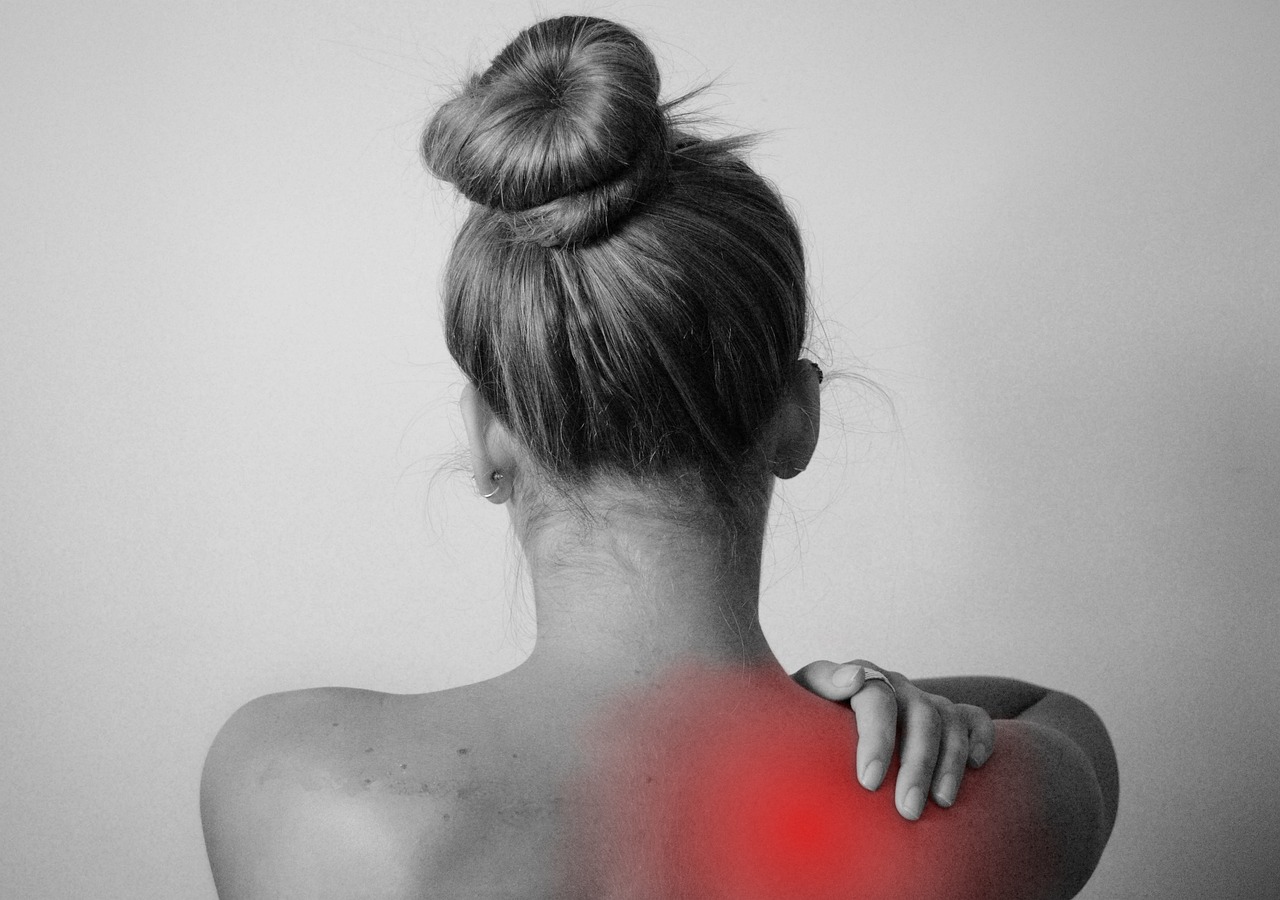
Pain occurs when tissues are inflamed, injured, compressed, or deprived of adequate blood supply. On the right side of the body, this can happen for many different reasons depending on which systems are involved. Muscles may tighten or tear, nerves can become irritated, and organs may become inflamed or obstructed.
Another important factor is referred pain. This happens when pain originates in one area, such as an internal organ, but is felt somewhere else, like the back or shoulder. For example, gallbladder issues can cause pain in the upper right abdomen and shoulder blade. Lifestyle habits, including prolonged sitting, repetitive movements, stress, and poor sleep posture, can also increase the likelihood of right side discomfort.
Muscular Causes of Right Side Body Pain
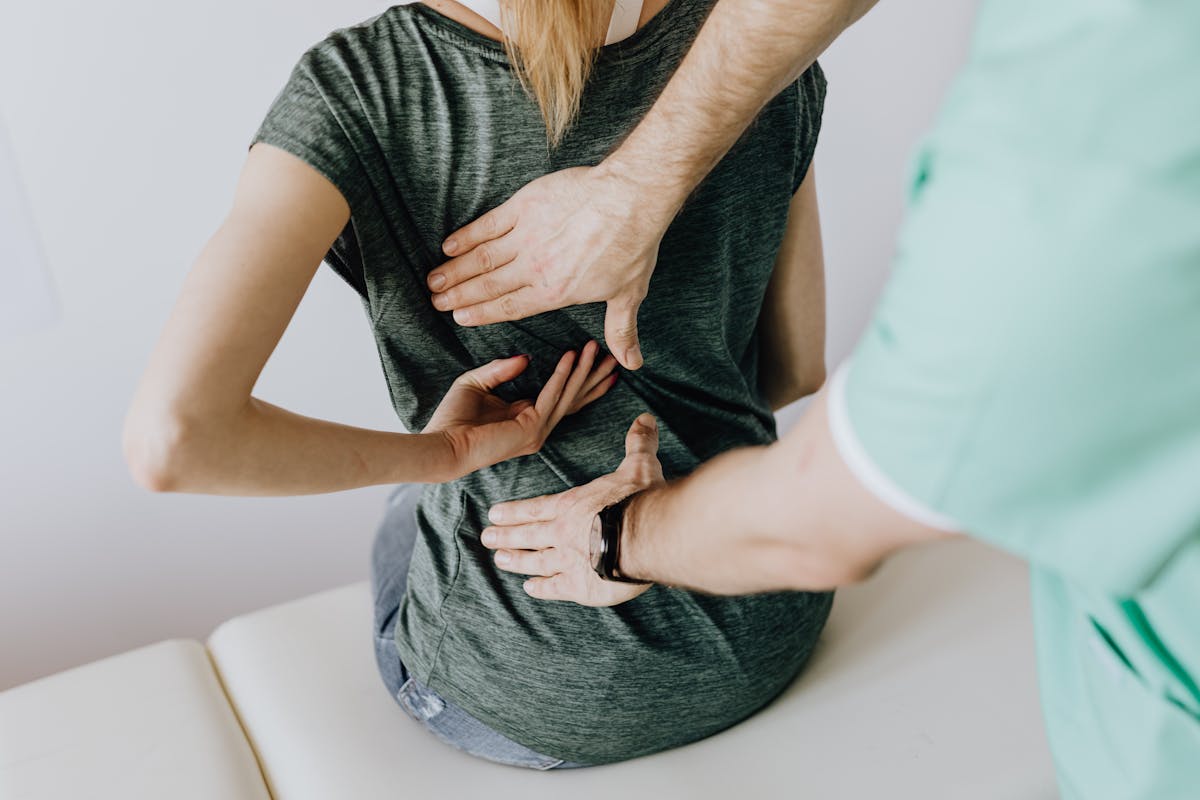
Muscle-related pain is one of the most common explanations for right side body discomfort. It often develops gradually and worsens with movement or physical activity. This type of pain is usually linked to strain, tension, or imbalance rather than internal disease.
Common Muscular Triggers
- Muscle strains from lifting, twisting, or sudden movements
- Poor posture, causing uneven muscle stress
- Repetitive activities that overwork one side of the body
- Tight muscles due to stress or lack of stretching
Typical Symptoms
- Aching or sore sensations
- Pain that increases with movement
- Muscle stiffness or tightness
- Tenderness when touched
Muscular pain usually improves with rest, stretching, and basic self-care. However, persistent or worsening pain may require professional evaluation.
Organ-Related Causes of Right Side Body Pain
Organ-related pain can feel different from muscle pain and often comes with additional symptoms. Because several vital organs are located on the right side of the abdomen and torso, it is important to recognize patterns that may point to internal causes.
Organs Commonly Involved
- Liver: Pain in the upper right abdomen, often dull or aching
- Gallbladder: Sharp pain under the right ribs, especially after fatty meals
- Appendix: Sudden pain starting near the navel and shifting to the lower right abdomen
- Right kidney: Deep pain in the lower back or side, sometimes radiating forward
Warning Signs to Watch
- Fever or chills
- Nausea or vomiting
- Yellowing of the skin or eyes
- Changes in bowel or urinary habits
Organ-related pain should never be ignored, particularly if symptoms are severe or rapidly worsening.
Nerve-Related Right Side Body Pain Explained
Nerve pain is often described as sharp, burning, tingling, or electric-like. It occurs when nerves are compressed, irritated, or damaged. On the right side of the body, nerve-related pain may stem from the spine, neck, or peripheral nerves.
This type of pain may travel along a nerve pathway rather than staying in one spot. For example, a pinched nerve in the lower back can cause pain that radiates down the right leg. Nerve pain often worsens with certain movements or positions and may be accompanied by numbness or weakness.
Common Nerve Conditions
- Sciatica affecting the lower back and leg
- Cervical nerve compression affecting the shoulder and arm
- Peripheral neuropathy, causing tingling or burning sensations
Proper diagnosis is essential, as nerve pain often requires targeted treatment rather than general pain relief.
Common Symptoms Associated With Right Side Body Pain
Symptoms can vary widely depending on the cause, but certain patterns are commonly reported. Paying attention to these details can help identify whether the pain is muscular, nerve-related, or linked to internal organs.
Frequently Reported Symptoms
- Sharp or stabbing pain
- Dull, constant ache
- Pain that radiates to other areas
- Stiffness or reduced range of motion
- Swelling or inflammation
Associated symptoms such as fatigue, digestive discomfort, or fever may provide important clues. Keeping track of when the pain occurs, what worsens it, and what provides relief can be helpful during medical consultations.
When Is Right Side Body Pain a Medical Emergency?
While many cases of right side body pain are not serious, some situations require immediate medical attention. Knowing when to seek help can prevent complications and ensure timely treatment.
Seek Immediate Care If Pain Is Accompanied By:
- Sudden, severe intensity
- Chest pain or shortness of breath
- High fever
- Persistent vomiting
- Loss of consciousness
Pain that interferes with daily functioning or continues to worsen despite rest should also be evaluated by a healthcare professional.
How Is Right Side Body Pain Diagnosed?
Diagnosis begins with a detailed medical history and physical examination. Healthcare providers often ask about the location, duration, and nature of the pain, as well as any associated symptoms.
Diagnostic Tools May Include
- Blood tests to check for infection or inflammation
- Imaging tests such as X-rays, ultrasounds, or MRI scans
- Nerve conduction studies for suspected nerve damage
Accurate diagnosis ensures that treatment targets the underlying cause rather than just masking symptoms.
Treatment Options for Right Side Body Pain

Treatment depends on the root cause of the pain and its severity. In many cases, a combination of medical care, non surgical back pain treatment, and self-management strategies provides the best results.
Common Treatment Approaches
- Pain relievers or anti-inflammatory medications
- Physical therapy to improve strength and mobility
- Heat or cold therapy for muscle relief
- Medical procedures for organ-related conditions
For nerve-related pain, targeted therapies such as nerve blocks or specialized exercises may be recommended. Always follow professional guidance when starting treatment.
Recovery Tips and Lifestyle Adjustments
Recovery from right side body pain often involves addressing contributing lifestyle factors. Small, consistent changes—combined with strategies on how to relieve upper back and chest pain—can significantly reduce discomfort and prevent recurrence.
Helpful Recovery Strategies
- Maintain good posture during sitting and standing
- Stretch regularly to reduce muscle tension
- Stay physically active without overexertion
- Manage stress through relaxation techniques
Adequate sleep, hydration, and balanced nutrition also play an important role in healing and overall musculoskeletal health.
Can Right Side Body Pain Be Prevented?
While not all causes are preventable, many cases of right side body pain can be reduced through mindful habits and early intervention. Prevention focuses on maintaining balance, strength, and awareness of the body.
Preventive Measures
- Warm up before physical activity
- Avoid repetitive strain on one side of the body
- Use ergonomic furniture and proper lifting techniques
- Address minor pain early before it becomes chronic
Prevention is especially important for individuals with sedentary jobs or physically demanding routines.
Final Thoughts: Understanding Your Pain Matters
Right side body pain can have many causes, ranging from simple muscle strain to more complex nerve or organ-related issues. Understanding how muscles, organs, and nerves contribute to pain allows for more informed decisions and effective care. While occasional discomfort is common, persistent or severe pain should always be taken seriously.
By paying attention to symptoms, seeking timely medical advice, and adopting healthy habits, most people can manage or prevent right side body pain successfully. Knowledge is a powerful tool in recognizing what your body is telling you and responding in a way that supports long-term health and comfort.